 Back
New Delhi Declaration a major step towards rapid, equitable energy transition
Money Control
Posted on, 14 SEP 2023
The New Delhi Declaration, if followed in letter and spirit, is undeniably the most effective way to proceed if we want to hold the increase in the global average temperature to well below 2C above pre-industrial levels
The G20 Delhi Summit under India's presidency will be judged by the New Delhi Declaration, which was adopted unanimously by countries representing 85 percent of global GDP. The manner in which India conducted itself enhanced its reputation on the international stage, and the Declaration serves as a reminder of India's values of peace and unity in times of crisis. If we can follow the path set out in the Declaration, it will be a testament to the scope and vision of a more just, equitable, and sustainable world.
Among the several challenges in the Declaration, nothing was more important than the consensus that the G20 nations arrived at in a very short time. It was heartening to see leaders agree that an effective energy transition will give the world a chance to have a better future. The worlds mightiest nations agreed that a just energy transition can improve jobs and livelihoods, and strengthen economic resilience. The affirmation that no country should face the choice between fighting poverty and fighting for our planet dawned clear. Indias push for developed nations to take more responsibility for their role in the global climate crisis bore fruit.
Finances for energy transitions
Green financing and financial inclusion to fast-track the energy transition are the need of the hour. The capital requirements of developing countries to facilitate green energy development and the finance required by them to acquire state-of-the-art clean energy technologies by 2023 were made clear. The G20s promise to achieve net-zero targets implied that all member nations would have a common but differentiated responsibility and an equal contribution from everyone, making it a level playing field.
What makes the Declaration truly inclusive is the fact that it restates gender equality as a fundamental pillar of achieving growth. Investing in empowering women and girls has a multiplier effect on implementing the 2030 Agenda. Encouragement for women-led development, bridging the gender digital divide, and driving gender-inclusive climate action are some points that I address in my G20 co-edited volume, Pathways to Equality: Advancing Gender Goals in the G20. It is progressive to have similar ideas reiterated in an agreement of global importancean assurance that we will step into the future as equals.
Read More
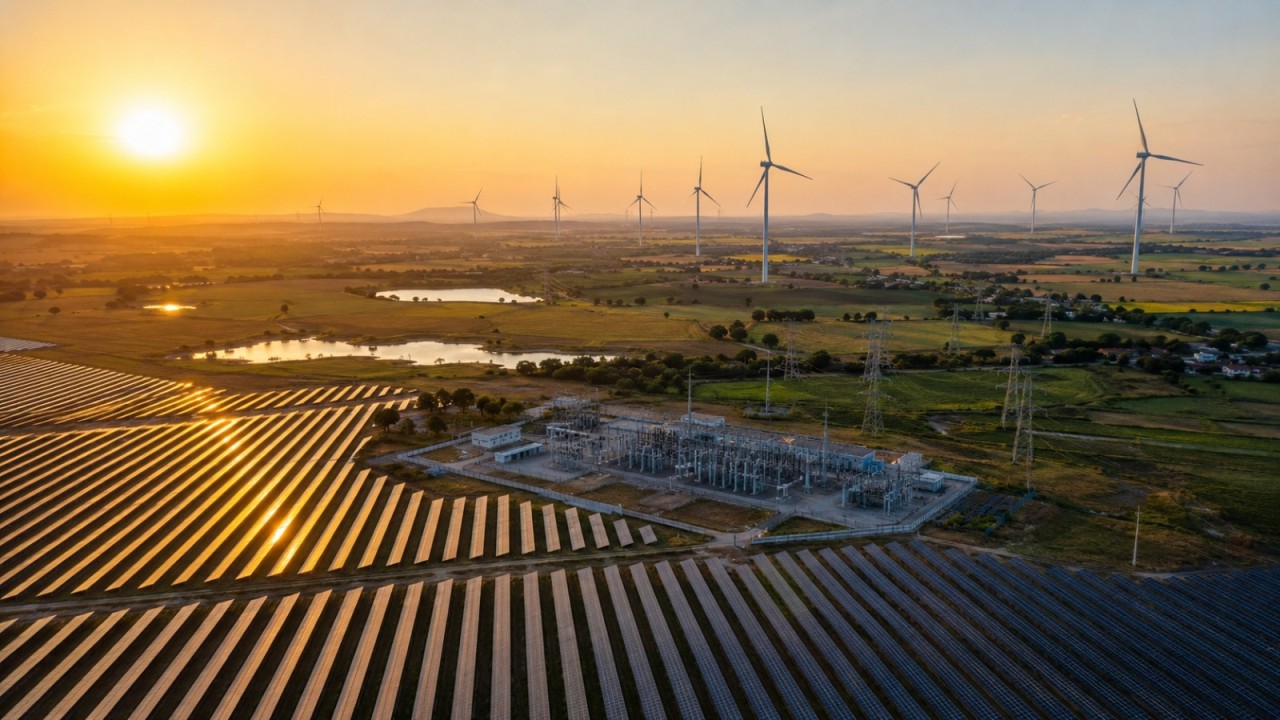
Beyond Capacity: Building India's Clean Energy Future
The next phase is not just capacity. It is a globally competitive clean energy ecosystem.

Union Budget 2026: Building Indias green capacity for the next decade
The Budget balances near-term macro stability with long-term green capacity for the next decade.

India goes Intercontinental with landmark EU trade deal
Exports are 22% of GDP. A landmark EU deal takes India from bilateral to intercontinental.
