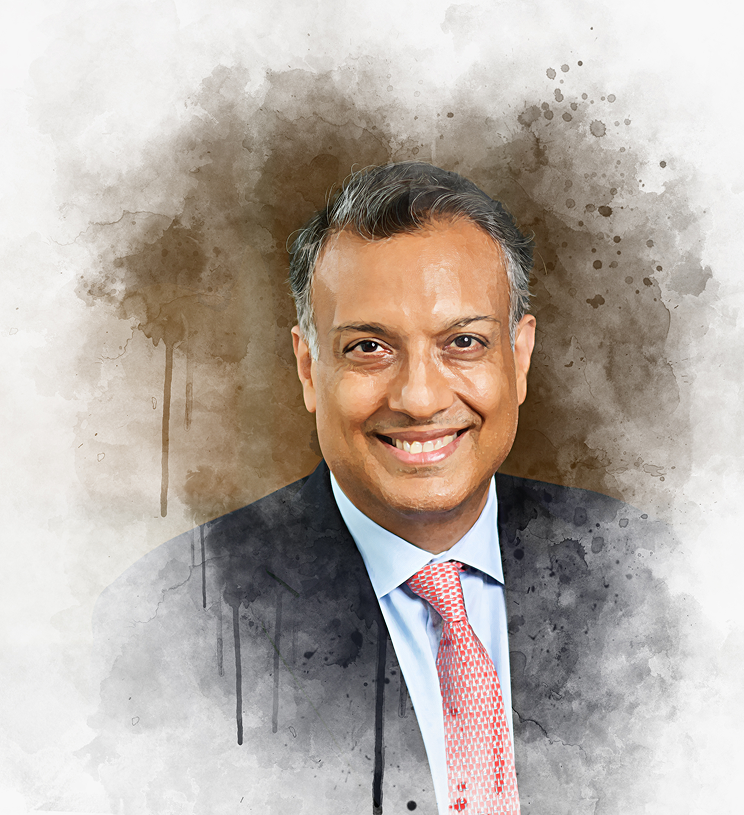


Union Budget: In many ways, India is already leading the global energy transition. We are currently the fourth-largest country for installed renewable energy capacity.
The Union Budget for the year 2023-24 will be presented shortly. There is high anticipation for this years Budget to catalyse Indias contribution towards the global transition to green energy.
In many ways, India is already leading the global energy transition. We are currently the fourth-largest country for installed renewable energy capacity. Along with rapid growth in the traditional wind and solar sources, India is also making strong headway into newer sources and uses such as electric vehicles, storage and green hydrogen through new policies such as the National Green Hydrogen Mission.
The last few Budgets have focused on building physical and financial infrastructure complemented with technology accessible to the masses aiding growth and welfare. Last years Budget highlighted the importance of climate action and energy transition with PLI schemes and the launch of Sovereign Green Bonds.
This is the time to press the accelerator. To achieve the Nationally Determined Contribution (NDC) target of 500GW of renewable capacity by 2030, capacity addition every year will need to be stepped up by three times than what is happening now.
Equally, competition to capture the emerging global market of the clean energy supply chains is growingthink about the Inflation Reduction Act in US that has committed $370 billion, and EU Commissions REPowerEU plan under which the Recovery & Resilience Fund would provide grants for green initiatives worth 300 billion euros. One thing that struck me at the World Economic Forum at Davos is the scale and speed of investments/capital infusion planned by countries in areas like green hydrogen.
We need to enhance our preparednessto meet our own commitments and leverage opportunitiesboth of export and of capital mobilisation from international players. For this, India needs significant investments in building the renewable energy production capacity and grid infrastructure for green power. Additionally, areas such as manufacturing of equipment, storage, transmission and long-distance transportation also require policy and investment support from the government.
The following measures could have a positive impact on accelerating the green transition:
Incentives for green hydrogen
The bulk of the costs for producing green hydrogen come from capital expenditures that are very high, initially requiring incentives that are designed to effectively support first movers to invest. In this regard, waiver of import duties and GST on equipment for green hydrogen projects as well as subsidies of about $1.5 per kg of green hydrogen would incentivise players in the sector and drive sizeable production.
A green innovation fund
Strategic investments in research & development would help India be at the forefront of developing newer technologies. A grant fund of around Rs 2,000 crore to provide resources for innovation across different technologies, including solar panels, wind turbines, CCUS, electrolysers, battery chemistries, would go a long way in making Indian products globally competitive.
Lower tax burden on battery energy storage systems
High taxesBasic Customs Duty (BCD) at 11% and the Goods and Service Tax (GST) at 18%push the production costs upwards for renewable energy producers. Waiving the GST and reducing BCD on import of batteries for storage purpose to 5% (same as EVs) would stimulate the domestic energy storage sector.
Group taxation under I-T Act (Tax Consolidation Scheme)
The government could allow for financials of companies under the same group to be consolidated for the purposes of taxation in India. This would help reduce administrative costs for the government revenue departments and reduce compliance costs for corporate taxpayers. Financing renewable energy Specific financial instruments to lower the cost of capital may be introduced.
(The writer is chairman & CEO, ReNew )
Read More
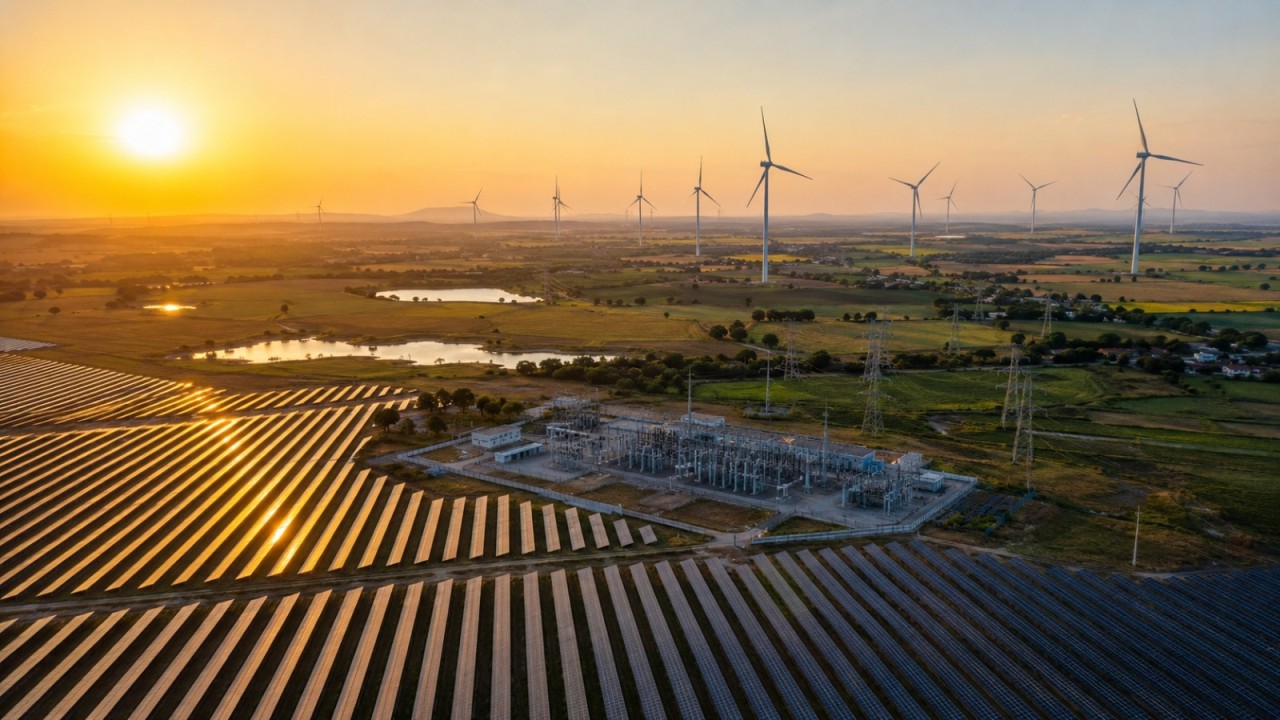
Beyond Capacity: Building India's Clean Energy Future
The next phase is not just capacity. It is a globally competitive clean energy ecosystem.
Union Budget 2026: Building Indias green capacity for the next decade
The Budget balances near-term macro stability with long-term green capacity for the next decade.

India goes Intercontinental with landmark EU trade deal
Exports are 22% of GDP. A landmark EU deal takes India from bilateral to intercontinental.
